
The Fall Apothecary: Herbs to Warm, Nourish & Support
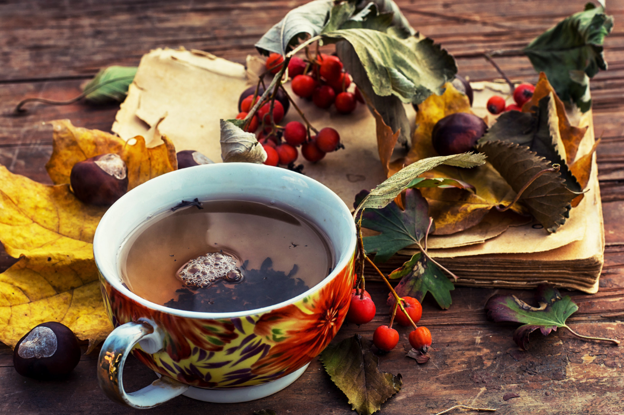
Fall arrives with a definite change in the air. Crisp, cool mornings and vivid colours of autumn leaves greet us, and as the days grow shorter and the evenings draw in, we find ourselves spending a little more time indoors. With children back at school, our routines shifting and cold and flu season just around the corner, this is a natural time to think about how we can support our health as the seasons change.
It’s also a wonderful time to turn to some of the warming, nourishing and supportive herbs that have traditionally been used to help us transition into the cooler months. Here are a few of my favourite herbs for this time of year.
Nourishing the Body with Nettle and Oat Straw
Fall is also a good time to think about nourishment. Summer can be busy and active, and the transition into a cooler season is an opportunity to replenish our bodies before winter arrives rather than simply pushing through.
Nettle is much valued as a mineral-rich, nourishing herb and makes a wonderful everyday infusion. Its flavour is mild and green, and it pairs nicely with other herbs such as oat straw or peppermint. If herbal teas aren’t your thing, try adding some dried nettle to a soup or stew and simmering until tender - you’ll get the same benefits and won’t even notice it’s there.
Oat straw (Avena sativa) is a gentle yet mineral rich and deeply nourishing herb well suited to those who are feeling weary and depleted. It has a mild, grassy flavour and can be enjoyed daily. For those who like a stronger flavour, Oat straw combines well with any of the herbs mentioned in this article.
Warming Up with Ginger and Cinnamon
As the outside temperature drops, warming herbs become especially appealing.
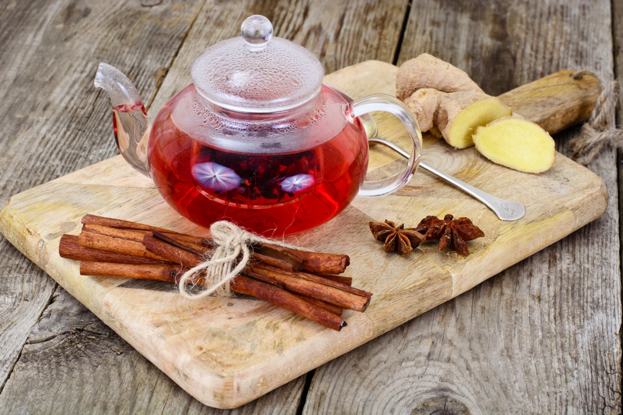
Ginger is one of the simplest herbs to bring into your autumn routine. Traditionally used to support digestion and boost circulation, ginger has a warming, stimulating quality that makes it particularly welcome on chilly mornings or after a heavier meal. Fresh ginger can easily be incorporated into soups, stews and stir-fries, or made into a tea, with a squeeze of lemon juice and a drizzle of honey.
Cinnamon, Cloves, Allspice, Star Anise and Nutmeg all bring warmth and sweetness to fall cooking. Like ginger, they help our digestion and circulation although the effect tends to be gentler than spicier ginger. Chai is a delicious combination of these spices along with black pepper, and traditionally combined with black tea - although there are plenty of caffeine free recipes and store bought varieties if you prefer. Adding a cinnamon stick to herbal tea, or sprinkling any of these powdered spices over oatmeal or roasted squash can feel like a warm hug as they warm us from the inside.
A Little Brightness from Rosehips & Lemon Balm
Fall brings shorter days and longer evenings, but that doesn't mean we are ready to give up entirely on summer. Some herbs offer a touch of sunshine while still supporting the body's transition into a quieter season.
Rosehips are the bright red fruits that develop on roses once the flowers have faded. Tart and fruity, they make a lovely tea and can add a little brightness to darker autumn days.
Rosehips are traditionally valued as a source of vitamin C and other plant compounds, although the nutritional content can vary considerably depending on the species, preparation and processing. They pair beautifully with warming spices for a colourful autumn tea.
Lemon balm has a different kind of brightness. Its fresh lemony scent and flavour belie its gentle, calming nature. Traditionally used to support relaxation and digestion, lemon balm makes a lovely afternoon or evening tea, particularly when you want something soothing without feeling sleepy.
Try combining rosehips and lemon balm with a little ginger or cinnamon for a bright, warming autumn infusion. It's a lovely reminder that seasonal self-care doesn't always have to be about hunkering down. There can still be room for lightness, pleasure and a little sunshine in the cup.
Preparing for Cold & Flu Season
As we move into fall, many of us are thinking ahead to the return of colds, coughs and the inevitable bugs that seem to make their way through schools, workplaces and households.
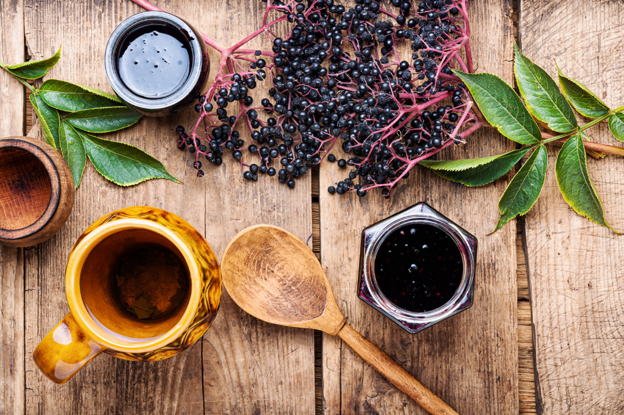
Elderberry has a long history of traditional use for supporting the body during cold and flu season. The berries are rich plant compounds called anthocyanins, that give elderberries their dark purple color and are antioxidant, anti-inflammatory, and immune stimulating. While cooked and/or dried elderberries are commonly used in herbal preparations, raw elderberries should not be consumed as they are mildly toxic. They are rendered safe through drying and aging, or cooking for 20 to 30 minutes. Elderberry syrup is a traditional way to get the immune boosting properties through the colder months, and elderberry tea can also have the same effect - it combines well with the tartness of rosehips, and ginger can be added to strengthen its properties.
Thyme has a long history of traditional use for respiratory complaints including coughs and upper respiratory infections, and is a wonderfully versatile culinary herb. Thyme can be used in many fall dishes, it pairs well with meats and root vegetables. Including herbs regularly in food is one of the simplest ways to bring herbal medicine into everyday life.
Alternatively, making a simple thyme honey by steeping sprigs of thyme in honey for a few weeks, make a delicious syrup that will both soothe a cough and flavour your cooking.
Making Space for Rest with Chamomile
The change of season can also be a good reminder to pay attention to rest, and after a busy summer we might feel the need for more rest and down time.
Chamomile is one of the most familiar calming herbs, and for good reason. Traditionally used to settle the digestive system and encourage relaxation, chamomile makes a lovely evening tea. Its gentle apple-like flavour pairs beautifully with a little honey. This is one herb we don’t want to steep too long; 5 minutes is enough to draw out the delicate floral notes. If left to steep for longer the flavour can become bitter.
Chamomile tea makes a soothing addition to winding down before bedtime. Put the kettle on, step away from your screen and give yourself a few quiet minutes with a soothing cup of tea.
Creating Your Own Fall Herbal Ritual
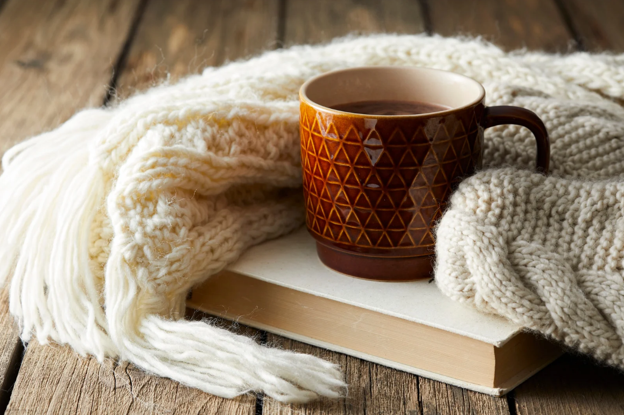
You don't need a complicated herbal protocol to bring seasonal herbs into your routine. Instead, use them to add a pause to your day - a moment to rest for 5 minutes and recharge - which is often as healing in itself as a cup of herbal tea!
A morning tea of ginger and cinnamon can provide a warming start to a chilly day.
An afternoon nourishing infusion of nettle, oat straw and rosehips can give you a reason to pause, hydrate and replenish, while the tartness of the rosehips adds a little brightness to the blend.
If the day has been particularly busy, try a cup of lemon balm in the afternoon or early evening. Its fresh, lemony flavour and traditionally calming qualities make it a lovely way to shift gears and create a little breathing room.
An evening cup of chamomile can become a gentle sign that the day's activity is winding down. And thyme, cinnamon, and other herbs can simply find their way into your everyday cooking and teas.
Fall doesn't have to be something we rush through on our way to winter. It can be savoured and enjoyed as we change our pace, pay attention to what our bodies need and make a little more room for warmth, nourishment and rest.
This is one of the things I love about herbal medicine - it doesn't have to be complicated. Supporting your wellbeing can mean tucking herbs into your everyday life in ways that help you feel nourished, grounded and cared for. So as the leaves begin to turn, consider putting the kettle on, reaching for a few autumn herbs and giving yourself permission to slow down.
If you’d like to find out more about herbal medicine, and how it can support your health goals, please reach out - we’re here to help.
Rebecca
PS: Check out the articles below for more information about fall herbs and the herbs mentioned in this article.