
Embracing the Transition: Eating Well Through Late Summer and Early Fall
There is something about late September that asks us to slow down and pay attention.
The mornings may carry a little more coolness. The evenings arrive earlier. The leaves begin to change, while the afternoon sun can still remind us that summer isn't quite ready to let go.
It can feel like a season of contradictions which can make knowing what to eat challenging day to day.
And perhaps this is exactly why this time of year offers such a beautiful opportunity to practice embracing transition.
In Traditional Chinese Medicine (TCM), we are encouraged to pay attention to the relationship between ourselves and the seasons. Rather than expecting our bodies, routines, and energy to remain exactly the same throughout the year, we can gently adjust with what is happening around us.
Late summer and early fall are a wonderful example of this.
Eating with the season
From a TCM perspective, late summer is associated with the Earth element and our digestive system. This is usually referred to as ‘Spleen and Stomach’ even though the spleen isn’t directly involved in digestion. It’s traditionally understood as the energetic within the body that’s responsible for digestion, nourishment, and the transformation of food into usable energy.
This makes late summer a particularly lovely time to focus on simple, nourishing meals and to take advantage of what the earth is offering us.
Thankfully, this is rather easy in Ontario.
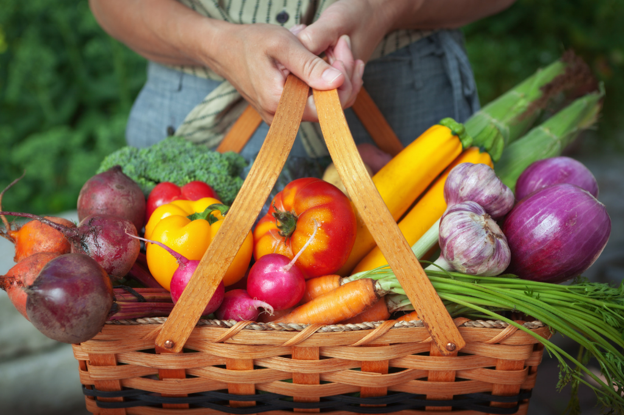
Harvest season brings an abundance of beautiful foods: squash, carrots, beets, potatoes, sweet potatoes, corn, beans, tomatoes, apples, pears, leafy greens, and an ever-growing selection of vegetables and grains. There is no shortage of inspiration at the farmers' market or grocery store.
This is a time to enjoy that abundance rather than overcomplicate it.
Let your meals transition, too
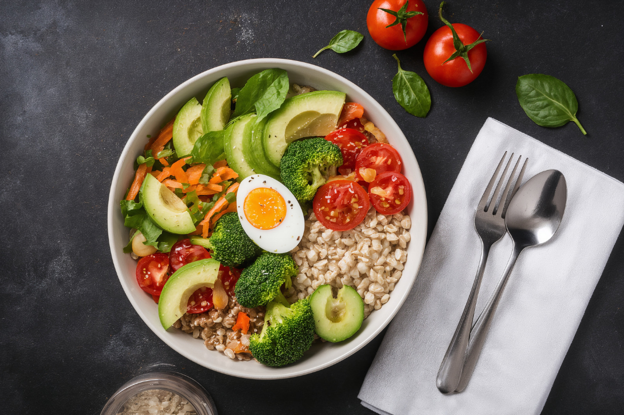
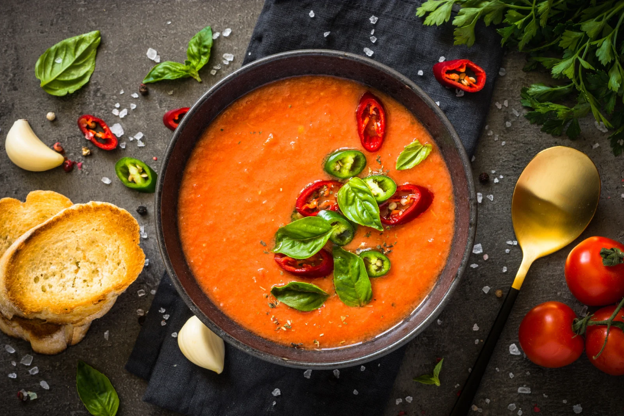
Think roasted vegetables, hearty soups, gently cooked greens, grain bowls, stews, baked apples, and nourishing meals that feel satisfying without being overly heavy for the cooler days. For those warmer days, scoopable salads, pasta salads and other lighter options are still an easy option.
In TCM dietary therapy, cooked foods are often emphasized for their ease of digestion. As the weather gradually cools, shifting from an exclusively raw or cold-food approach toward more cooked, warming meals can be a gentle way of supporting the transition.
That doesn't mean you need to give up your favourite summer foods overnight. If it's 30°C outside and you want a crisp salad, enjoy the salad.
The goal isn't perfection. It's responsiveness. It’s about listening to your body and noticing what digests easily and what might be more of a challenge right now.
One of the challenges of this time of year is that our bodies don't necessarily receive a clear seasonal signal. The calendar says fall. The thermometer sometimes says summer.
So rather than following rigid rules, consider using your meals as a way to respond to the day.
On a warm afternoon, lighter meals, fresh vegetables, fruit, and plenty of fluids may feel wonderful. When the morning is cool or the evening has a chill, perhaps a bowl of oatmeal, soup, roasted vegetables, or a warm grain dish sounds more appealing.
You can let both be true.
This same flexibility can extend beyond food. September often brings a return to schedules, responsibilities, appointments, work, school, activities, and all the little logistics that seem to multiply at this time of year. Even when the initial rush begins to settle, it can take time for a new rhythm to actually feel like a rhythm.
There is no need to expect yourself to have everything figured out immediately.
Transition takes time and energy.
Make nourishment practical
Eating well during a busy season doesn't have to mean elaborate meal planning or cooking everything from scratch.
Keep it simple.
Roast a tray of root vegetables that can become several meals. Make a pot of soup and freeze some for later. Keep eggs, cooked grains, beans, or another convenient source of protein on hand. Wash and prepare fruit and vegetables so they are easy to reach when you're hungry.
Let the abundance of the season do some of the work for you.
And perhaps most importantly, give yourself permission for meals that are simply good enough.
There will be days when dinner is beautifully prepared and eaten slowly at the table. There will also be days when everyone is tired, schedules collide, and the meal is whatever can be assembled in ten minutes.
Both are part of real life. Having prepped ingredients ready to go can make responding to what’s happening a little easier.
Embracing the in-between
Late summer and early fall remind us that transitions rarely happen all at once.
We don't need to rush summer away, nor do we need to force ourselves into autumn before we're ready. We can notice the cooler mornings while still enjoying a warm afternoon. We can appreciate the first root vegetables while savouring the last of summer's tomatoes. We can make small adjustments without demanding a complete overhaul.
From a TCM perspective, there is value in simply paying attention to the subtle changes and letting them inform our choices. Not because there is one right way to eat in September and early October, but because our needs can change from day to day and even from meal to meal.
There’s no perfect way to eat through a seasonal transition. There’s simply an opportunity to notice what’s working, nourish yourself and enjoy the abundance of options along the way.
Andrea
Additional TCM articles about late summer and early fall: