

Resource Library

The Fall Apothecary: Herbs to Warm, Nourish & Support
As the seasons change, discover how fall herbs can support warmth, nourishment, relaxation and everyday wellness. From ginger, cinnamon and nettle to elderberry, thyme and chamomile, explore simple ways to bring herbal medicine into your autumn routine, support your body through cold and flu season, and create comforting seasonal rituals.
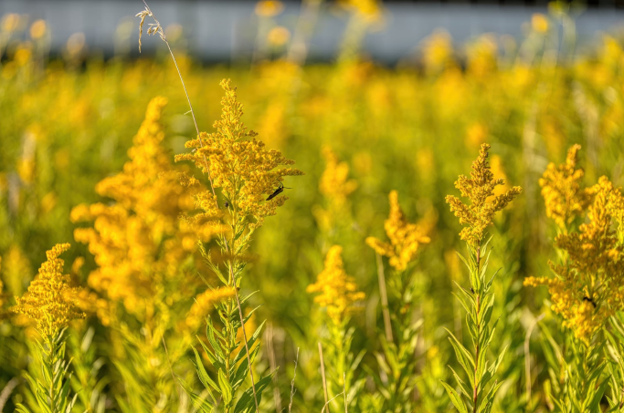
Goldenrod: Medicine from the Field’s Edge
Goldenrod is a powerful yet often overlooked medicinal plant. Traditionally used for respiratory and urinary support, it helps reduce inflammation, ease congestion, and supports healing. Learn how to identify, harvest, and use this common wild herb as part of your everyday herbal care.

Working With Your ADHD Brain: Creating Momentum and Productivity
Build momentum with your ADHD brain using supportive, practical strategies that turn intention into action. Learn how small shifts, like micro-steps, environment tweaks, and flexible routines, can boost focus and consistency. Create a personalized productivity toolkit that works with your natural rhythms, making progress feel easier, more sustainable, and genuinely rewarding.

Working With Your ADHD Brain: A Kinder Way to Get Things Done
What if working with an ADHD brain meant that you could change how you approach productivity, consistency, and focus? What if simple changes along with some movement, music, and self-compassion can help to improve follow-through on daily tasks without rigid schedules or feeling like a failure. Check out this article to find out how.

ADHD & Task Paralysis - Motivation vs. Emotion
You want to start. You have a plan. Yet you struggle with follow through. You know this feeling and the shame that follows. Whether diagnosed with ADHD or running on chronic stress, your brain may be making tasks harder than they need to be. There's something important you should know.

Making the Invisible Visible: Rethinking Labour in Our Relationships
What if the real reason you're overwhelmed isn’t what you're doing, but what no one sees you doing? From mental load to emotional labour, this article breaks down how unequal dynamics take root and what it actually takes to shift them. For anyone tired of quietly holding everything together, this is worth your time.
When “Self-Care” Isn’t Care at All
Self-care is often praised as the solution to burnout, but what if it’s part of the problem? This article examines how self-care can become a way to survive unfair workloads, emotional labour, and imbalance, instead of addressing the systems and relationships that cause exhaustion in the first place.

Loving Someone with ADHD: What Neurotypical Partners Need to Know
Loving someone with ADHD can feel confusing when everyday moments turn into misunderstandings. It’s not about effort or care, it’s about brain wiring. If you’ve ever felt like you’re speaking different languages in your relationship, this article explains why, and how to create more clarity, connection, and support for both partners.

ADHD: To Medicate or Not to Medicate?
Medication can feel like a big decision after an ADHD diagnosis. This article breaks down what meds actually do, why sticking with them can be tough, and how real-life factors shape the choice. If you’re weighing your options and want grounded guidance that respects your lived experience, this is a strong place to start.

Seasonal Affective Disorder: Why Winter Hits So Hard and What You Can Do
Feeling low every winter? It might be more than just the cold. Seasonal Affective Disorder is a real, treatable condition triggered by changes in light and routine. Learn why your energy dips, how it affects mood, and which small shifts can actually help. There's nothing wrong with you—and you're not alone.

Learning to Receive: Gratitude, Help, and the Power of Yes
Always the giver, never the receiver? Saying yes to help, praise, or kindness can feel uncomfortable but it matters more than you think. This powerful shift not only strengthens your resilience and self-worth, it deepens your relationships. Here’s why receiving isn’t weakness, it’s connection, healing, and strength in action.

Time Blindness – Why Time Feels So Weird and What to Do About It
Time feels slippery, like it’s either racing past or dragging forever? That’s ADHD time blindness and it’s more than just poor time management. It’s emotional, exhausting, and deeply linked to ADHD. Here’s why your brain works this way, how it messes with your energy, and what actually helps you stay on track.

Chasing Dopamine – What It Means and Why It Matters
Feel like you're always chasing the next thrill, snack, or last-minute deadline? That’s not a flaw - it’s your brain seeking dopamine. This article breaks down how ADHD rewires motivation, why the chase can burn you out, and how to shift your habits without losing your spark.

The Real Work of Gratitude: Small Shifts That Support Your Health (Even When Life Is Hard)
Feeling overwhelmed, burned out, or disconnected? Real gratitude isn’t about pretending everything’s fine; it’s about noticing what soothes, connects, and grounds you. This article shares simple, science-backed shifts that support your nervous system and mental health, especially when gratitude feels out of reach. Small moments matter more than you think.

The Complete Guide to Burnout Recovery: Symptoms, Causes & How to Heal
Burnout hits harder than exhaustion—it rewires your body, blunts your focus, and drains your resilience. This no-fluff guide breaks down what burnout really is, what it does to your nervous system, and how to start recovering when even small tasks feel impossible. Your healing begins with less pressure, not more.

What Rejection Sensitivity Really Feels Like (And Why It’s Misunderstood)
Rejection sensitivity feels like your brain hitting the panic button over something as small as a text or tone shift. It’s not drama — it’s a real, intense reaction wired deep into the nervous system, especially for people with ADHD. Here’s what it looks like, and what can actually help.

Burnout Recovery and Nutrition: How to Eat When You're Running on Empty
Burnout can make eating well feel impossible, but nutrition is a powerful part of recovery. This article shares practical, low-effort ways to nourish your body—even on your hardest days. From no-cook meals to snack strategies, find supportive tools to help you rebuild energy, one simple step at a time.

Burnout Recovery and Nutrition: What to Eat When You're Running on Empty
Feeling drained, foggy, and stuck in survival mode? Burnout wrecks your energy, mood, and focus—but the right foods can help repair the damage. From stabilizing blood sugar to rebuilding brain chemistry, what you eat makes a difference. Here's how food supports real recovery.
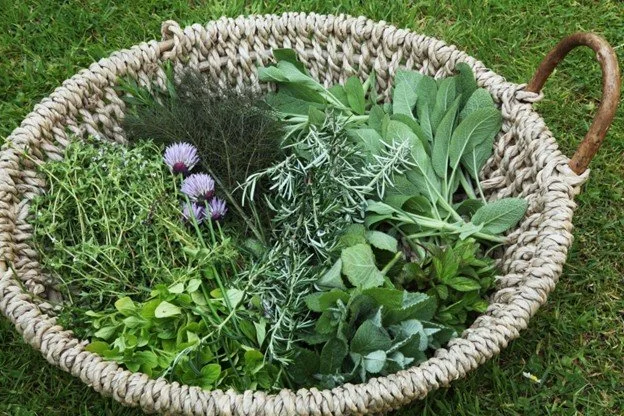
Wild Remedies: A Guide to Foraging and Using Medicinal Weeds
The weeds in your yard might be some of the most potent medicinal plants available. From nutrient-rich spring greens to immune-boosting winter evergreens, these overlooked herbs offer powerful healing benefits year-round. Find out which common plants can nourish, heal, and transform your approach to herbal medicine—right from your own backyard.

Rest Beyond Sleep
Rest isn’t just about sleep—it’s a crucial part of recovery, especially for those overcoming burnout. Without intentional rest, stress accumulates, cognitive function declines, and exhaustion takes over. Shifting perspectives on rest from a luxury to a necessity can transform resilience, well-being, and energy levels. Find out how to integrate it effectively.