
School, Practice, Repeat: Nourishing Kids on the Go
September has a way of changing the rhythm of family life almost overnight.
School begins, routines return, and suddenly evenings are filled with hockey practices, soccer, dance, music lessons and all the other activities that come with raising busy kids. For many families, the hours between the end of the school day and the beginning of an extracurricular activity are spent in the car.
And somewhere between finishing work, picking up the kids, finding the hockey equipment and getting everyone where they need to be, we also have to answer the inevitable question:
What are we going to eat?
When life gets busy, food can easily become one more thing on an already overflowing to-do list. But children and teens heading from a full day at school into an evening of activity need energy to make that transition. A little planning can make those busy afternoons easier, without requiring elaborate meal prep or perfectly balanced meals eaten around the dinner table.
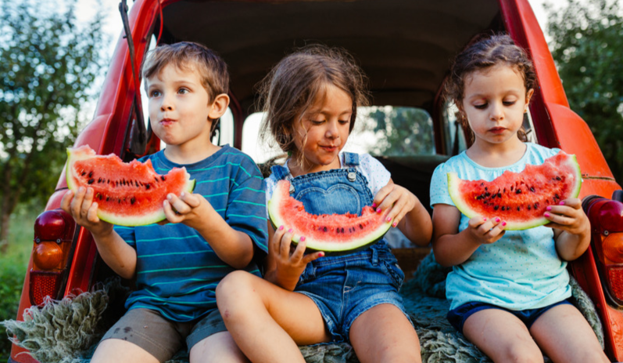
Sometimes dinner might just need to happen in the car.
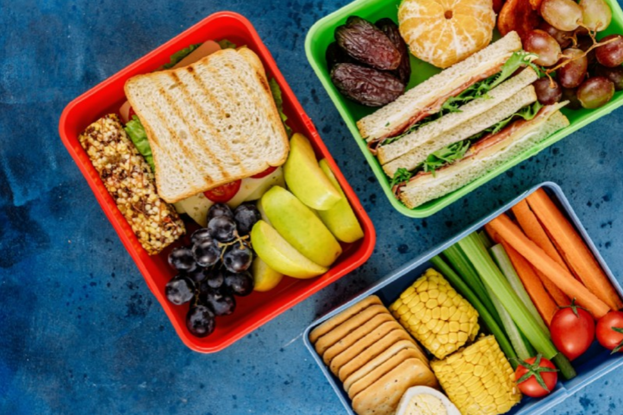
Think simple, portable and nourishing.
When practice follows closely after school, think of easy-to-digest carbohydrates like fruit, bread, wraps or crackers for readily available energy, paired with some protein for staying power. Fruits, vegetables and whole grains are still important, but right before activity, keep portions of higher-fibre foods lighter and choose familiar foods that you know sit well. This can help provide the energy they need without leaving them feeling overly full or uncomfortable once they're moving.
A few easy options:
A turkey or chicken wrap with fruit
Greek yogurt with banana and granola
Cheese and crackers with grapes or sliced vegetables
A smoothie with fruit, yogurt and oats
A simple sandwich with fruit and a water bottle
It doesn't have to look like a traditional dinner to provide nourishment. Keeping a few reliable options on hand, preparing grab-and-go foods on the weekend, or having a designated snack basket in the pantry can make busy evenings much easier.
But there is another piece of preparation we sometimes overlook.
From packing their snacks to teaching them how.
When our children are little, naturally, we do most things for them. We pack the snacks. We fill the water bottles. We remember the equipment. We make sure they've eaten before practice. As they get older, however, we have an opportunity to teach them the skills they need to listen to their bodies and begin making nourishing choices for themselves.
Instead of always deciding what they need, we can begin asking questions.
How hungry are you after school?
What do you notice about your energy when you haven't eaten enough before practice?
What foods seem to help you feel energized?
What could you pack tonight so you're ready for tomorrow?
This is where nutrition and wellness start to go beyond just telling our children what they “should” eat. We encourage their curiosity and help them develop self-awareness about their bodies by noticing hunger, fullness, energy and fatigue.
And perhaps just as importantly, we are showing them that caring for themselves matters and that it is a valuable skill to develop as they grow.
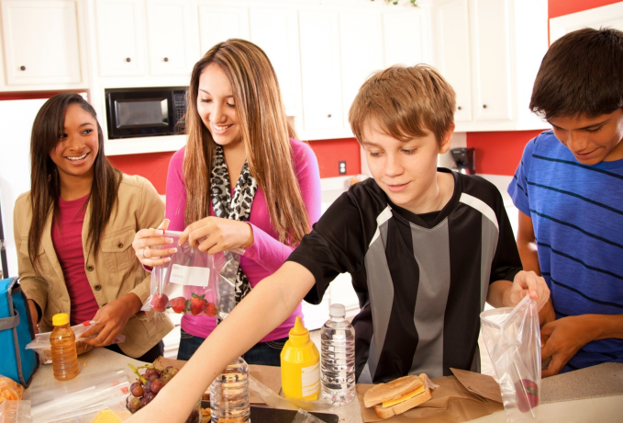
As our children grow, our role can grow too.
There comes a point when parenting shifts from doing everything for our children to helping them develop the skills to do more for themselves. In many ways, our role begins to look a little more like coaching.
Think about the coach standing beside the ice. They don't skate onto the rink and play the game for the player. They teach, observe, ask questions, offer guidance and encouragement, and help the player develop the skills and confidence to make decisions in the game for themselves.
We can do something similar at home.
Rather than we, the parent, carrying the entire mental load of remembering every snack, water bottle and meal, older children can gradually take responsibility for some of it. Maybe one child is responsible for filling their water bottle before leaving the house. Another chooses and packs their after-school snack. A teen athlete might help create the grocery list for the foods they like to eat before practice.
Will they occasionally forget something? Absolutely. But even that can become part of learning.
How did you feel at practice when you didn't bring enough to eat? What might you do differently next time? We're no longer simply providing the answer. We're helping them learn how to find their own.
Nourishing more than their bodies
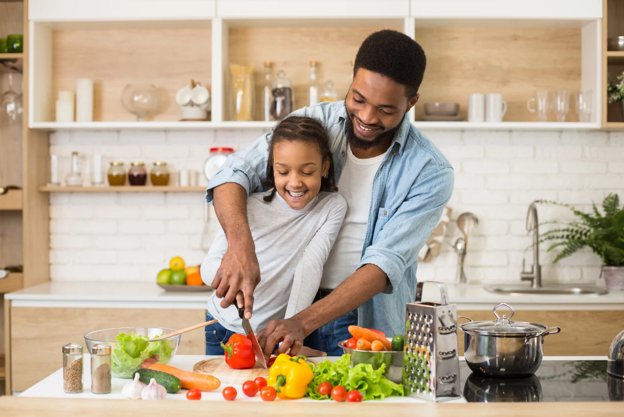
Learning to notice hunger, energy and fatigue may begin with nutrition, but those skills can reach far beyond food.
When we give children opportunities to listen to their bodies, make choices, reflect on those choices and try again, we are helping them build greater self-awareness and self-trust. September will probably always bring busy mornings, forgotten water bottles, meals eaten in the car and the occasional mad dash back home for the hockey bag sitting by the front door.
We don't have to do it perfectly.
A little preparation can help us nourish our children through busy days. And gradually teaching them to take part in that preparation can help lighten our load while giving them opportunities to practice caring for themselves.
Because ultimately, raising healthy children isn't only about teaching them what to eat. It's about helping them learn to listen to their bodies, understand what they need, make choices for themselves and trust that they are capable of caring for their own well-being.
Perhaps that's one of the most nourishing things we can give them.
Tish