When “Self-Care” Isn’t Care at All
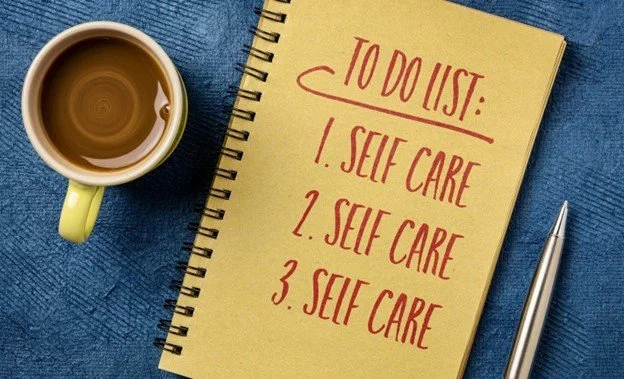
Self-care has become one of the most common prescriptions for stress, exhaustion, and overwhelm. Take a bath. Light a candle. Step outside for ten minutes. Meditate. Journal. The variations are endless, and while each can be helpful, there is an unspoken truth underlying much of the self-care conversation - self-care becomes harmful when it’s used to endure an unhealthy amount of labour, stress, or emotional weight.
For many women, self-care has quietly shifted from a restorative act into a compensatory one. It is the thing you do so you can get through another day of carrying far more than your share of emotional, professional, domestic, or relational labour. It’s the routine that helps you recover just enough to return to an environment that continues to drain you.
And that isn’t self-care. It’s self-preservation inside a system that needs to change.
The Injustice of Self-Care
Much of self-care culture is predicated on the premise that overwhelm is a personal failure rather than a systemic problem. When you feel depleted, the societal message is “support yourself better,” not “why are you being asked to carry so much?”

This concept runs deep. As women, we are raised to smooth edges and patch cracks in relationships, to keep the peace by absorbing stress like a sponge so others can remain comfortable. When self-care is presented as the solution to carrying all the emotional labour in a relationship, managing the full mental load of a household, or chronically over-functioning at work, it ceases to be supportive and becomes yet another burden – and one we will be blamed for not doing right.
When, inevitably, fatigue or burnout begins to appear, the first question isn’t about fairness, shared responsibility, or support, it’s about our coping skills. But no amount of bubble baths, journaling, or healthy meals can fix an imbalanced relationship or an unsupported life. Those practices might soften the edges temporarily, but they don’t address the root problem. The injustice is still there.
Self-Care as a Substitute for Support
Sometimes self-care becomes a permission slip for others to opt out. When you’re encouraged to “take time for yourself” but nothing around you changes, the underlying message becomes that your wellbeing is your responsibility alone. The expectations placed on you remain unquestioned and untouched.
Suggestions that sound caring, like “try meditating so you don’t feel so overwhelmed” or “let’s book you a massage, you’re stressed because you don’t relax enough,” redirect attention away from the imbalance and back onto your ability to cope. It becomes your job to stay calm, regulated, rested, and patient so the existing dynamic can continue as it is.

There’s a point where self-care stops filling you and starts patching you back together. This may look like using self-care practices to emotionally prepare for someone else’s moods or outbursts, or spending entire weekends recovering from a workload that would exhaust anyone. If, as soon as the self-care ends, the dread returns, this isn’t a sign of personal inadequacy; it’s a clear signal of systemic imbalance.
Real self-care doesn’t require you to be superhuman. It doesn’t demand that you keep showing up for situations that drain you. And it certainly doesn’t ask you to silence your needs.
From Coping to Changing
The most transformative version of self-care begins with a shift in focus. Instead of asking “how can I get through this?” it asks, “why am I in a situation that requires so much coping in the first place?” It moves self-care out of survival mode and into something that can actually lead to change. It means recognizing that the problem is an individual failing, but an environment that demands too much while offering too little in return.
This is where boundaries become essential. Healthy self-care isn’t only inward-facing; it’s relational and structural. It shows up in moments where you stop absorbing what was never yours to carry, when your emotional availability has limits, and when saying yes to everything is no longer sustainable. Boundaries are acts of self-care that protect your energy and make fairness possible.

Healthy self-care can involve confronting patterns that have gone unquestioned for years. It can mean naming invisible labour, having those honest – and difficult - conversations about imbalance, and letting go of the belief that your worth is tied to how much you do for others. It may require support to unlearn over-functioning, or the willingness to allow others to feel discomfort instead of smoothing it over for them.
As these shifts take place, you may notice you begin to need less self-care as a coping mechanism. Rest becomes restorative rather than compensatory. Your nervous system feels calmer for longer. Life feels less like something you have to recover from.
Self-care is not about doing more to stay afloat, it’s about changing what’s weighing you down. It can be gentle, nourishing, and deeply healing, but only when it exists inside a life that supports you in return. You deserve rest that restores, relationships that reciprocate, and a life where you aren’t constantly patching yourself together just to survive another day.
If you’d help with any of this, please get in touch.
Rebecca