
Working With Your ADHD Brain: Creating Momentum and Productivity

In my previous article we explored how to prepare the ADHD mind for work, and how regulating your emotional state is a vital part of that. The next step is putting that readiness into action. Think of it as moving from internal preparation to external execution, from knowing what your brain needs to actually getting things done in a way that works for you.
For people with ADHD, knowing what to do is often less of a barrier than knowing how to begin, sustain, and complete tasks without triggering guilt or frustration. In this article we’ll focus on practical ways build systems that support action, increase capacity, so that productivity becomes a natural outcome of alignment rather than an ongoing battle against yourself.
Optimize Your Environment
Where you work matters more than most people realize. ADHD brains are highly sensitive to environmental cues, both stimulating and distracting. A supportive environment can reduce friction and increase focus, while a mismatched space can amplify procrastination, paralysis, and overwhelm.
Ways to optimize your environment include:
Change location when needed. Libraries, cafés, or co-working spaces may provide the structure or novelty that your brain needs.
Adjust sensory input. Add stimulation if you feel sluggish, or reduce clutter if you feel overwhelmed. A quick tidy of your workspace can make a huge difference to your capacity to begin a task.
Use intentional separation. Reserve certain spaces for work only, so your brain associates the environment with specific actions.

Even small environmental adjustments can have a disproportionate effect on your ability to start and sustain tasks, reinforcing the emotional readiness you’ve built.
Lower the Threshold to Start
Starting is often the hardest part for ADHD brains. The act of beginning can feel risky or overwhelming, especially when fear of failure or self-criticism is present. Lowering the threshold to start helps reduce this emotional friction.
Strategies include:
Aim for micro-steps. Break tasks into the smallest possible action. Instead of “write the report,” open the document and type a single sentence.
Use timers. Commit to just a few minutes of focused work. Often, momentum carries you further than anticipated.
Shift the focus from completion to entry. The goal is to begin, not to finish perfectly.
By reducing the emotional stakes, you make it easier to bridge intention into action without triggering guilt or shame, creating a more consistent and manageable approach to productivity.
Redefine Consistency Without Shame
We looked at this in the last article, but it is worth mentioning again, ADHD consistency differs from neurotypical expectations. Rather than daily, rigid execution, it’s about returning to tasks over time and creating patterns that work with your brain’s natural rhythms.
Key principles include:
Focus on cycles and bursts. Accept that some periods will be highly productive and others less so.
Celebrate re-engagement. Each return to a task reinforces emotional safety and builds momentum.
Anchor tasks to emotional readiness. Work with the times and conditions when you feel most capable.
This approach allows you to maintain forward motion without internal pressure, guilt, or self-punishment, creating sustainable progress over the long term.

Use Social Support Strategically
Many ADHDers find that being around others increases accountability, emotional regulation, and momentum. It also normalizes challenges, reducing shame and self-criticism, which makes it easier to re-engage with tasks.
Approaches include:
Body doubling. Work alongside someone in person or virtually; the presence of another person enhances focus.
Video co-working sessions. Stay connected via Zoom or FaceTime while working independently to maintain structure.
ADHD-friendly communities. Support and accountability groups help reinforce rhythm and provide encouragement.
Social support can reinforce emotional safety, reduce isolation, and make task initiation feel more manageable.
Creating Your ADHD Productivity Toolkit
There is no single formula that works for everyone. Each person’s needs vary day to day. The most effective strategies allow you to shift into the emotional and physiological state that makes action possible.
Building a toolkit involves:
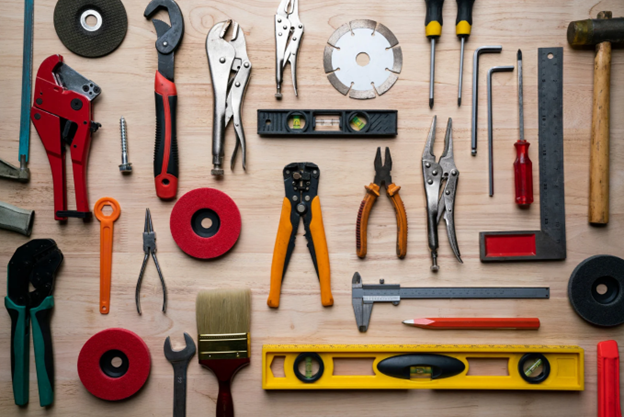
Experimenting with strategies one or two at a time. Try a body cue, playlist, or environmental change, and observe the effect on starting and sustaining tasks.
Combining supports gradually. Layer strategies in a way that suits your rhythms and preferences.
Focusing on flexibility. Your toolkit should adapt to changing energy levels, moods, and priorities. Tools for high energy or focus days will look different to low energy tools.
ADHD brains require conditions that support emotional and physiological readiness. If you emphasize alignment with how your brain actually works, you create a space in which productivity naturally emerges. Progress may look uneven at times, but returning to tasks repeatedly and adapting strategies over time builds momentum and capability. Rather than forcing yourself into rigid neurotypical expectations, these methods allow you to work with your ADHD brain, not against it, making meaningful action possible and sustainable.
As you build your toolkit, treat yourself with kindness and compassion. This is not about getting it “right,” but about discovering what works for you. Approach the process with curiosity and even a sense of playfulness, try different strategies, notice what shifts, and allow yourself to enjoy the process of learning how your brain works. When there is space for flexibility, exploration, and even a bit of fun, it becomes much easier to return, to adapt, and to keep moving forward.
If you’d like help figuring out how your brain works, I’m here to help.
Rebecca
PS - Looking for more ADHD support? Check out all the articles we’ve written about ADHD.