Stoppering the Drain, Turning On the Tap: Rethinking Rest and Recharging
In the last two articles, Rebecca wrote about how self-care can become a survival tactic rather than true support, and how invisible labour keeps so many women quietly exhausted. These are patterns we see every day in practice and they’re often what bring women through the clinic door.
Because at some point, bubble baths and early bedtimes stop helping. Your body is tired, but it’s your soul that feels exhausted.
We’re often told we just need more rest. What if the real issue isn’t just that we’re not resting enough? What if we’re being constantly drained beyond our capacity to recharge?
Energy Isn’t Just Physical
Let’s start here: energy is not just about sleep or physical rest (ie: binge watching tv for hours). It’s emotional, mental, relational. And for women especially, it’s deeply tied to the roles we play and the responsibilities we carry.
Many of us are the emotional anchors of our families and workplaces. We’re the ones who sense tension and step in to smooth it before it becomes a problem. We remember birthdays, manage logistics, anticipate meltdowns, and notice when someone’s struggling even if they don’t say a word. We keep things running. Quietly. Invisibly.
That kind of constant attunement comes at a cost.
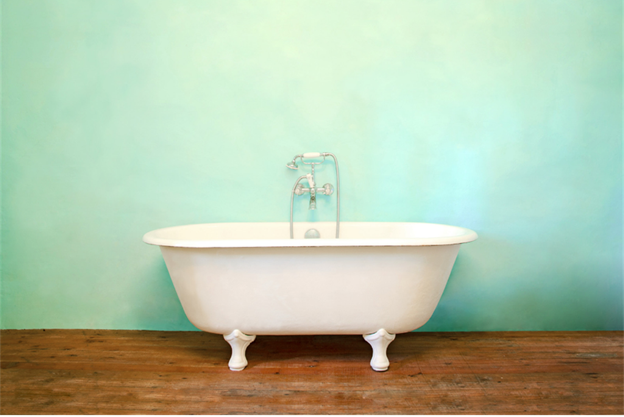
I often describe it like this: if your energy is water in a bathtub, rest is stoppering the drain. But recharging? That’s turning on the tap to refill the tub.
You can’t refill a tub if the drain is wide open. If life is constantly pulling energy out of you through over-functioning, people-pleasing, lack of boundaries and unspoken expectations, then even the best self-care will only help so much. You might feel a little better for a while, but the drain is still open. The water still runs out.
When Rest Is Necessary, but Not Sufficient
There’s a common misconception that enough rest will make us feel better. That if we just sleep more, or take a weekend off, we’ll bounce back. Sometimes we do. But often we don’t and then we blame ourselves. Maybe we’re just not “resting right.” Maybe we’re too sensitive, too tired, too much.
But here’s the truth: rest doesn’t land when your nervous system is stuck in overdrive. Rest can’t restore you when you’re still being depleted at the same rate (or faster than) you’re trying to recover.
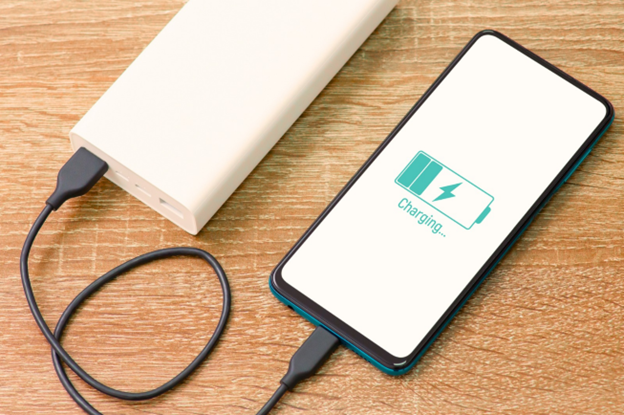
We tend to understand energy clearly when it comes to our phones. When the battery dips low, we plug it in without question. But imagine if you only charged it just enough to get out of low power mode, then unplugged it and expected it to keep performing at full capacity. It wouldn't take long before it's back in the red.
We do this with ourselves all the time.
We rest just enough to feel slightly better but then push on, hoping it will be enough to carry us through. But if you’re only ever topping up your energy to survive the next thing, it makes perfect sense that exhaustion keeps returning. You don’t need to "push through" better. You need more time connected to what actually fills you.
So what does real recharging look like?
Stop the Drain
Before we talk about adding more energy in, we have to look at what’s draining it out.
This might mean:
Naming the invisible labour you’re doing and asking for it to be shared.
Saying no to emotional caretaking that’s become a full-time job.
Letting go of being the one who “just handles it.”
Setting boundaries that are clear, even if they make others uncomfortable.
Stop doing everything you think you “should”.
It might also mean getting honest with yourself about what’s no longer sustainable. Are you waking up dreading the day, even after eight hours of sleep? Do you spend your downtime recovering from your responsibilities instead of enjoying your life?
These are signs that the energy drain is chronic and that it’s time to do something about the source.
Turn On the Tap
Once you’ve stoppered the drain, then and only then can recharging begin.
This doesn’t have to look like a yoga retreat or a five-step morning routine. Often, it looks like small, honest moments where your energy is allowed to return. Like:
Saying how you really feel instead of pretending you’re fine.
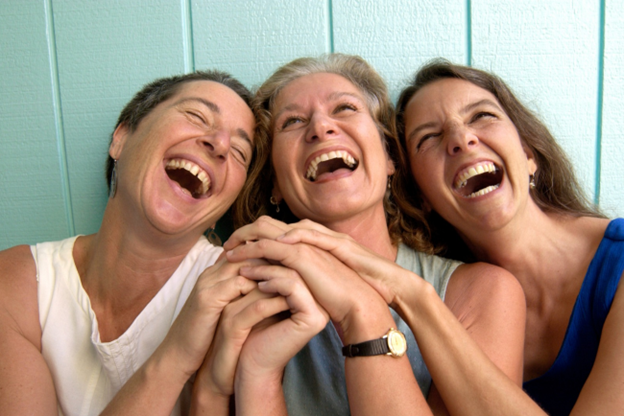
Doing something that makes you laugh or breathe deeper.
Taking care of your body in ways that feel kind, not performative.
Being in spaces where you’re supported, not just useful.
Not expecting yourself to do everything perfectly
And yes, sometimes that’s a nap. Sometimes it’s dancing in your kitchen. Sometimes it’s sitting in silence, alone, with no one needing anything from you. The specifics don’t matter as much as this: you feel fuller after, not more depleted.
Rest Is a Relationship
Rest isn’t something you do once you’ve earned it. It’s not a reward for productivity. It’s a relationship you build with yourself; one where your needs matter, your body is trusted, and your energy is protected. Rest is a basic human right.
It’s not always easy, especially if you’ve spent years over-functioning, under-asking, and pushing through, rest might feel wrong at first. But over time, something shifts. You begin to feel what deep rest really is, not just the absence of doing, but the presence of being filled again.
And when that happens, your life starts to feel less like something you have to recover from and more like something you get to live.
If this resonates, you’re not alone. And you don’t have to figure it out alone, either.
Andrea
PS - Did you catch the first two articles? If not, here they are: When “Self-Care” Isn’t Care At All and Making the Invisible Visible: Rethinking Labour in Our Relationships