Forget “New Year, New You”: Try This Instead
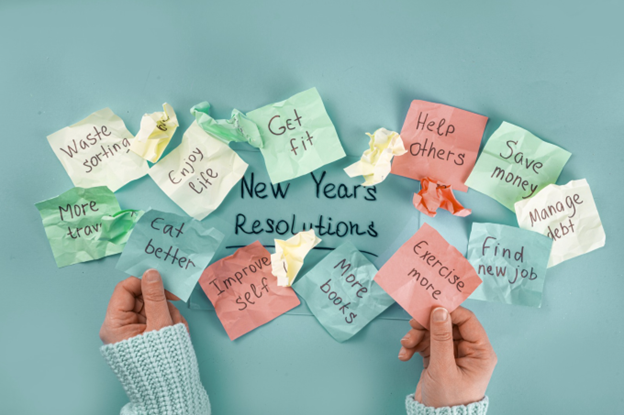
Following the holiday season, a familiar wave rolls in: resolution lists, vision boards, gym promotions, diet trends, “fresh start” challenges. The message is everywhere: New Year, New You.
It sounds harmless, even inspiring at first. But read between the lines, and there’s a deeper implication: who you are today isn’t good enough. And that’s simply not true!
You are enough as you are right now. You are not a project that needs to be fixed.
This time of year can be an invitation to reflect, reset, and reimagine. But it doesn’t need to be a total renovation project. You don’t have to scrap your current self to move forward. In fact, trying to change everything at once is one of the main reasons so many New Year’s resolutions quietly fall apart before February even begins.
Why Resolutions Fail (and Why That’s Not Your Fault)
Research has shown that most resolutions fail within weeks. Not because people are lazy or unmotivated, but because the traditional resolution model skips a critical foundation: identity.
As James Clear explains in Atomic Habits, there are three levels of change:
Goals (what you want to achieve)
Systems (the habits and strategies to get to your goal)
Identity (who you believe yourself to be)
Most people start with goals. Some build systems. But few address identity. And here’s the key: identity always wins.
If you don’t believe yourself to be “a person who prioritizes health” or “someone who sets and holds boundaries,” then habits, goals and systems built around those choices won’t last when challenged. Especially when stress is high and everything feels like it’s too much. When your actions are an expression of who you believe yourself to be, they become natural, sustainable, and more likely to last, especially when challenged.
That’s why we talk so much about aligning habits with values—not just in theory, but in practice. You can explore this more deeply in our habit series, starting with How to Build the Life You Want, One Choice at a Time.
Instead of Overhauling Your Life, Start From Wholeness
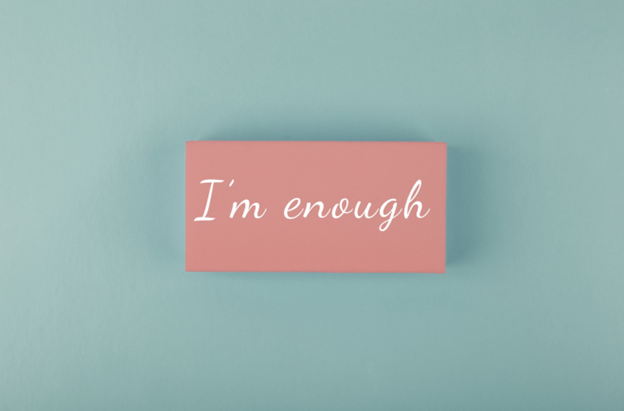
There’s a quiet strength in saying: I am enough, even while I’m growing.
You can want change. You can want better. You can stretch into a new season of your life. But none of that has to be rooted in shame, comparison, or pressure from outside voices.
Too many “resolutions” are made because someone else suggested we should look a certain way, work a certain way, or live a certain way. But change that’s rooted in someone else’s values won’t stick. And it shouldn’t.
This is a great time to reflect instead on what’s yours: your values, your vision, your sense of what matters.
Start With Who You Want to Be
Here’s a better question than “What’s your resolution?”: Who do I want to be?
This isn’t just positive thinking. Neuroscience backs it up: when we act today in alignment with our chosen identity, we’re more likely to make choices that become sustainable changes. The trick? Speak and act in the present tense.
Instead of:
“I want to become someone who takes care of myself.”
Try:
“I am someone who takes care of myself.”
Then ask: As someone who takes care of myself, how do I want to handle _______? This might be your next major decision, your next meal, the next hour of rest, movement, screen time or something else entirely. If you make the decision from the place of someone who believes themselves to be a person who takes care of themselves, you will see shifts.
Small, identity-rooted choices add up. Especially when made consistently over time.

Set Up Systems to Support Yourself
Learning to use flexible systems is key to making identity-based choices easier. This doesn’t mean that you completely overhaul everything you’re currently doing or that you completely empty out your fridge/pantry/freezer. It means learning to listen to your inner voice, the ebb and flow of your energy and the season shifts that will come. It also means leaning into change as the only constant.
Systems are something that need to be able to change and grow with you. Expecting your systems to change allows for flexibility and adaptation rather than clinging to something that no longer supports you in being the person you want to be.
Systems for supporting your health might include a morning and/or evening routine that could include journalling, time away from screens, reading time, etc. Other examples of systems are things like meal prep, scheduling time for exercise, tracking habits or any set of habits that are done together to achieve a specific goal.
I’m not going to tell you what systems to create. There are far too many options and possibilities to list them all here. We’re also all unique with unique lives that have specific needs - while one person might swear by a system (ie: meal prep or exercise at 4am) doesn’t mean that this will work for you. Instead, take a look at what’s currently working for you in your life. Look at what you enjoy and what’s easy. Then look at the things that are difficult and that you actively avoid. Look for the differences. Look to see how you can bring in more ease and joy.
Listen to the Season You’re In
In Traditional Chinese Medicine, winter is a time of stillness, restoration, and inner work. It’s not a season of frantic doing. It’s a season of quiet integration. Ancient Wisdom for Winter talks about how winter invites us to slow down, rest more, and listen deeply. What if your New Year began here?

You don’t have to rush. You don’t have to fix anything. You don’t have to ‘glow up’.
You can breathe. You can reflect. You can choose. Gently, steadily, in alignment with your own inner self.
Looking for a Different Option for New Years, Try This Instead:
If you’re looking for a different kind of ritual this New Year, try this:
Who do I want to be more of in the coming year?
What does that version of me already know?
What’s one small thing I can do today to live like this now?
Write it. Speak it. Try it on for size. Then try again tomorrow.
No pressure. No hype. Just presence, alignment, and a little bit of courage.
Looking for support in starting your year differently? Have questions about how this might work? Book a free 20 minute consultation and we can chat.
Andrea